
Gauteng's Economic Crucible: Business Leaders Eye Coalition Outcome for Stability
Gauteng's economic future hangs on ongoing coalition talks. Business leaders eye stability, policy certainty, and investment impact on Johannesburg and…

Gauteng, South Africa’s economic powerhouse, stands at a critical juncture following the recent national and provincial elections. As the African National Congress (ANC), Democratic Alliance (DA), and ActionSA engage in intricate coalition negotiations for the provincial government, the business community in Johannesburg and Pretoria watches with keen interest, understanding that the outcome will profoundly shape the region’s economic trajectory and investment climate.
The Stakes for Gauteng's Investment Landscape
For businesses operating across Gauteng's diverse sectors – from finance and manufacturing to logistics and property development – political stability and policy certainty are paramount. The prolonged period of coalition talks introduces an element of uncertainty that can lead to deferred investment decisions, dampened business confidence, and a cautious approach from both local and international investors. A stable provincial government, with a clear mandate and coherent economic policy, is essential to unlock growth, attract capital, and maintain Gauteng’s competitive edge as Africa’s commercial hub. The stability derived from a functional coalition could signal renewed confidence, spurring activity in key industrial zones and property markets.
Policy Direction and Executive Leadership
The composition of the next provincial government will dictate policy priorities that directly impact businesses. Different potential coalition partners bring varying economic philosophies, which could influence everything from regulatory frameworks and infrastructure spending to support for small and medium-sized enterprises (SMEs) and initiatives targeting youth employment. Businesses are particularly interested in the continuity or shifts in policies concerning energy security, water provision, and public transport – all critical enablers of economic activity in the province. Furthermore, the appointments to key executive positions within provincial departments and state-owned entities will be scrutinised for their experience, vision, and commitment to fostering a pro-business environment.
The Johannesburg, Pretoria, Gauteng Angle
For "Gauteng Business Review" readers, the provincial coalition outcome is not merely political news; it is a direct driver of their operational environment and future prospects. In Johannesburg, the financial heart of the continent, a stable government could bolster confidence on the JSE, attract further corporate headquarters, and stimulate commercial property development in areas like Sandton and Rosebank. Conversely, prolonged instability could deter new foreign direct investment into these high-value areas. In Pretoria, the administrative capital, the clarity of provincial leadership directly impacts government procurement, infrastructure projects such as road network upgrades and expansion of public transport like the Gautrain, and industrial development around Rosslyn. Across the broader Gauteng province, clarity on spatial development frameworks, industrial park incentivisation, and critical service delivery (water, electricity) will determine the viability of new industrial zones and property developments in rapidly growing corridors like the N1 and N3. Executive moves within provincial entities, such as the Gauteng Growth and Development Agency (GGDA) or Transnet, will also be keenly watched as these directly influence regional economic strategy and project implementation.
As the negotiations unfold, the collective hope of Gauteng’s business community is for a swift, decisive, and stable resolution that prioritises economic growth, infrastructure development, and policy predictability, ensuring the province continues to thrive as the nation’s commercial heartland.
Source: Google News · Gauteng business
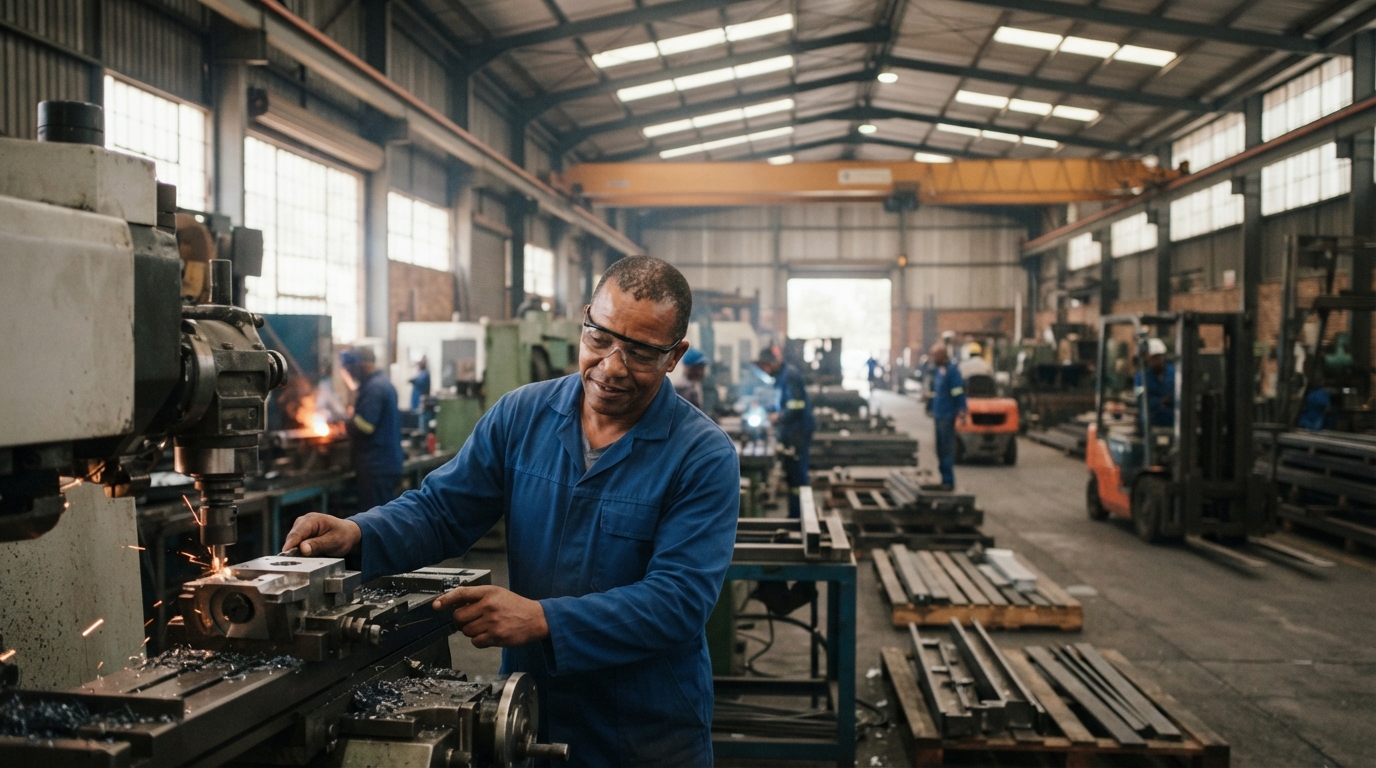
Ekurhuleni's Industrial Heartbeat Quickens: Cautious Optimism for Gauteng Manufacturing
Ekurhuleni's industrial belt, a key component of Gauteng's economy, reports a cautious recovery in manufacturing orders, driven by logistics and automotive.

Beyond the Firewall: AI Audit Exposes Gauteng Firms' Hidden Third-Party Banking Data Risks
A recent AI-driven security assessment on a Gauteng company revealed critical third-party vulnerabilities, exposing data linked to a major South African bank.…
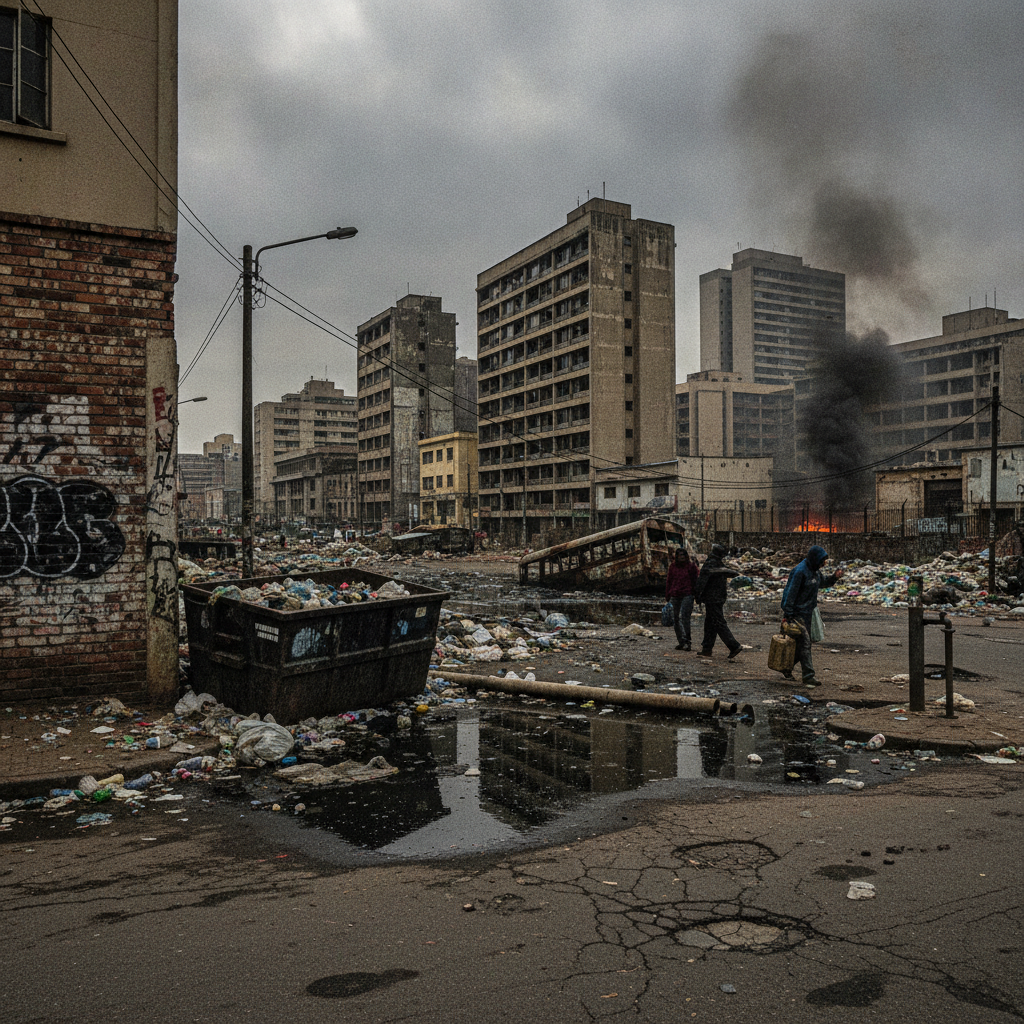
Joburg's Deepening Service Crisis Jeopardises Gauteng's Economic Momentum
Analysts warn that Johannesburg's escalating service delivery failures are posing a severe threat to Gauteng's economic stability, investment, and business…