
Gauteng's Economic Compass: Election Results Set New Course for Business
As 2026 election results near completion, Gauteng's business leaders eye potential shifts in policy, investment, and infrastructure projects across…

As the nation awaits the final tally from the 2026 general elections, with approximately 95% of votes counted, the emerging political landscape is sending ripples through Gauteng’s business community. For the corporate headquarters, industrial zones, and property developers of Johannesburg and Pretoria, the clarity now approaching around 'winners and losers' signals a crucial inflection point, setting the stage for future policy directions, investment climates, and overall economic stability.
Navigating the Post-Election Economic Terrain
The near-final election results will undoubtedly shape the economic narrative for the next five years. Business confidence, often a sensitive barometer of political stability, is expected to react significantly to the formation of new governmental structures, whether through outright majorities or coalition agreements. For Gauteng, as the economic engine of South Africa, stability and predictability in policy are paramount. Investors, both local and international, will be keenly observing signals regarding fiscal prudence, regulatory frameworks, and government’s commitment to fostering a pro-business environment. Sectors ranging from finance and manufacturing to logistics and retail are poised to assess potential impacts on growth projections and operational strategies.
Infrastructure and Development on the Horizon
One of the most immediate points of interest for Gauteng’s business sector will be the implications for critical infrastructure projects. The province relies heavily on robust transport networks, reliable energy supply, and expanding digital infrastructure to support its dense urban centres and sprawling industrial parks. A new administration’s approach to public-private partnerships, funding allocations for major projects like road upgrades or energy capacity enhancements, and the acceleration of smart city initiatives will be under intense scrutiny. Property developers, in particular, will be evaluating how these priorities align with projected growth areas and the demand for commercial, industrial, and residential spaces across the province.
Executive Agility in a Evolving Landscape
Senior executives in Johannesburg and Pretoria are already strategizing for a potentially new regulatory and operational environment. The clearer picture of the political make-up allows for more informed decision-making regarding long-term investments, human capital planning, and corporate social responsibility initiatives. Businesses will be keen to understand any shifts in labour laws, taxation policies, or incentives for specific industries. The ability of a new government to foster a stable and efficient operating environment will be crucial for retaining and attracting foreign direct investment, a key component of Gauteng’s economic dynamism.
The Johannesburg, Pretoria, Gauteng Angle
For Johannesburg, Pretoria, and the broader Gauteng province, the conclusion of the 2026 elections is not merely a national political event; it's a foundational shift for the regional economy. The outcomes directly influence the property market, impacting land values and development prospects in key nodes like Sandton, Waterfall City, Centurion, and Tshwane’s CBD. Infrastructure spending decisions directly affect construction firms, logistics companies, and the availability of utilities in industrial hubs such as City Deep or Rosslyn. Corporate headquarters, often making strategic regional and continental decisions from their Gauteng bases, will factor in the new political climate when planning expansions, divestments, or major investments. Ultimately, the stability and strategic direction provided by the incoming government will dictate the pace of job creation, business growth, and overall prosperity for the commercial heartland of South Africa.
Source: Google News · Pretoria & Tshwane
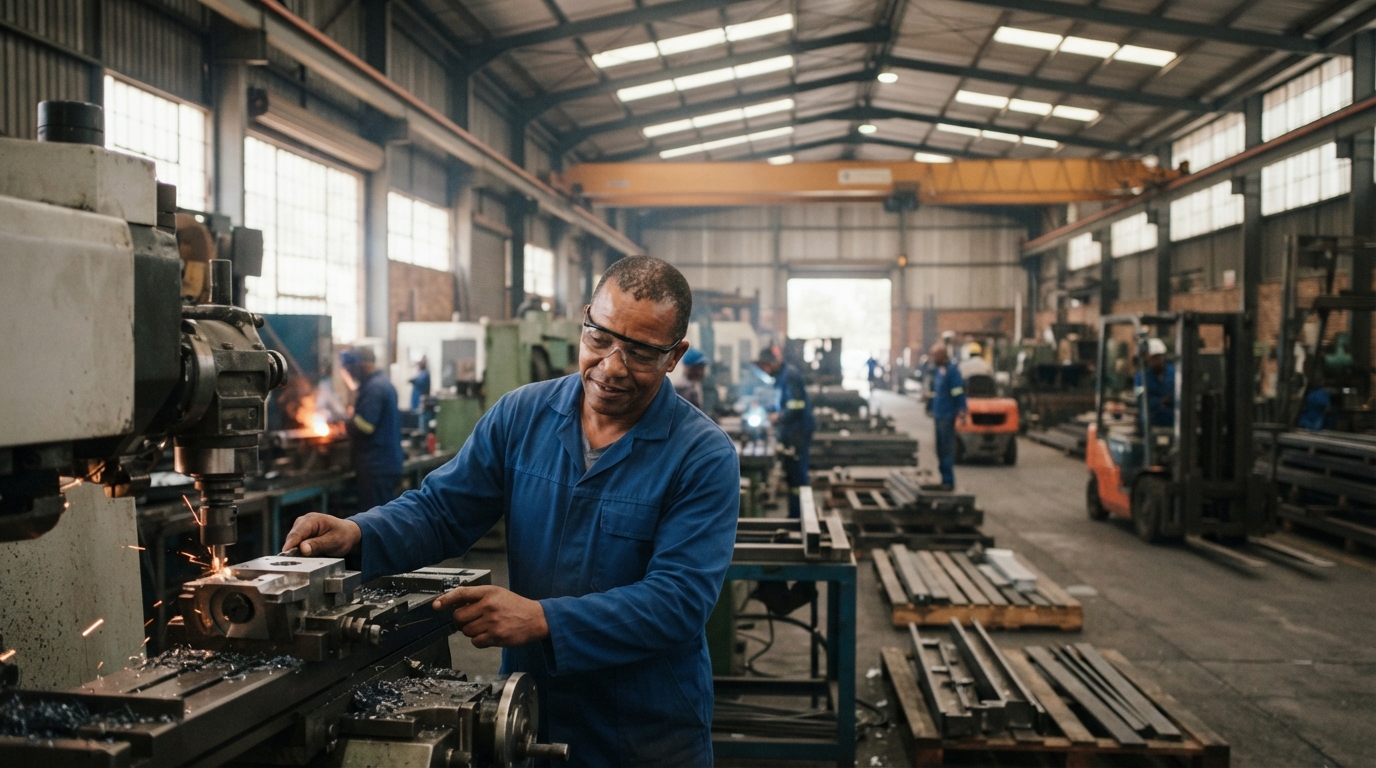
Ekurhuleni's Industrial Heartbeat Quickens: Cautious Optimism for Gauteng Manufacturing
Ekurhuleni's industrial belt, a key component of Gauteng's economy, reports a cautious recovery in manufacturing orders, driven by logistics and automotive.

Beyond the Firewall: AI Audit Exposes Gauteng Firms' Hidden Third-Party Banking Data Risks
A recent AI-driven security assessment on a Gauteng company revealed critical third-party vulnerabilities, exposing data linked to a major South African bank.…
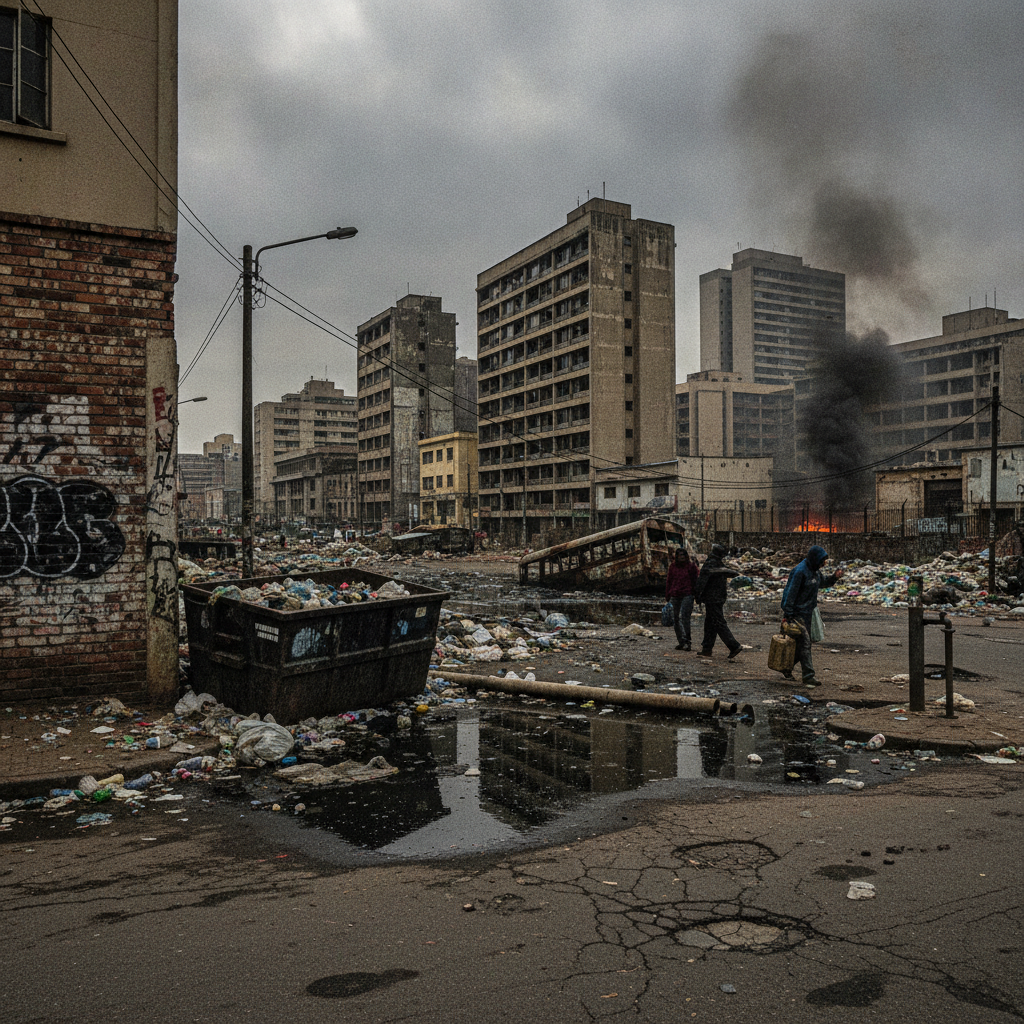
Joburg's Deepening Service Crisis Jeopardises Gauteng's Economic Momentum
Analysts warn that Johannesburg's escalating service delivery failures are posing a severe threat to Gauteng's economic stability, investment, and business…