
Gauteng Businesses Chart Course Amidst Evolving Municipal Mandate
As municipal election results consolidate, Gauteng's business leaders assess the implications for investment, infrastructure, and property development in…
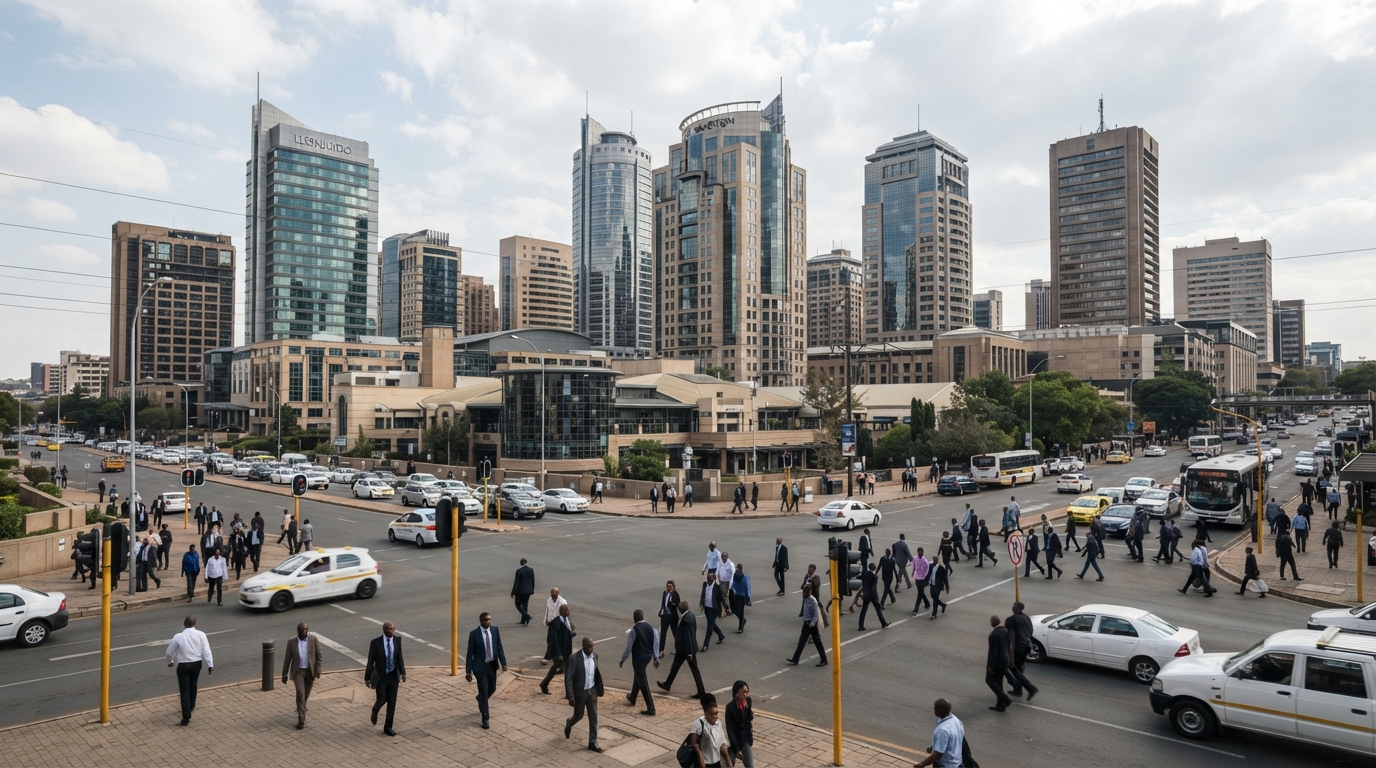
Gauteng’s formidable business community is meticulously assessing the landscape shaped by South Africa’s recent municipal elections, with particular focus on the implications for Johannesburg and Pretoria. As final results solidify, corporate headquarters, industrial giants, and property developers alike are keenly anticipating how the new political configurations will influence the region’s economic trajectory, service delivery, and investment climate for the coming term.
The outcomes of these local polls are more than just political shifts; they are a direct determinant of the operational environment for businesses. From regulatory frameworks and zoning policies to the efficiency of essential services like electricity, water, and waste management, municipal governance forms the bedrock of commercial viability and growth in the province’s key economic hubs.
Navigating Policy Shifts and Stability
The immediate concern for many executives centres on policy continuity and political stability. New councils often bring potential changes in local economic development strategies, procurement processes, and urban planning initiatives. For large-scale infrastructure projects, ongoing and planned, clarity on municipal priorities and the ability of new administrations to execute them effectively is paramount. Businesses thrive on predictability, and the potential for coalition governments, with their inherent complexities, introduces an element of uncertainty that investors and corporate strategists will be closely monitoring. The stability of these newly formed municipal structures will directly impact investor confidence and long-term planning.
Investment Climate and Property Sector Outlook
The post-election period is critical for the investment climate. A stable and efficient municipal government can signal an attractive environment for both domestic and foreign direct investment. Conversely, perceived instability or inefficiency can deter capital inflows. The property sector, a significant pillar of Gauteng’s economy, is particularly susceptible to municipal performance. Developments in commercial nodes such as Sandton, Waterfall Estate, and Menlyn, along with industrial zones like City Deep, Naledi, and Rosslyn, rely heavily on streamlined permitting, consistent service delivery, and appropriate rates policies. Executive decisions regarding new office spaces, factory expansions, or logistics hubs are intrinsically linked to the perceived ease of doing business within Johannesburg and Pretoria’s municipal boundaries.
The Johannesburg, Pretoria, Gauteng Angle
This election is profoundly a Gauteng story. Johannesburg, as Africa's primary financial and economic hub, and Pretoria, serving as South Africa's administrative capital and a growing tech and logistics centre, depend entirely on effective municipal governance. Corporate headquarters clustered in Sandton and Bryanston demand reliable utilities, efficient transport networks, and responsive urban management to maintain their competitive edge. Industrial zones across Ekurhuleni and Tshwane require consistent municipal support for logistics, infrastructure maintenance, and waste management to attract and retain manufacturing and distribution businesses. Property developers' capacity to launch and complete new commercial, retail, and residential projects is directly tied to the efficiency of zoning approvals and municipal capacity. Furthermore, the overall liveability and service provision in these metros directly influence executive mobility and the ability of businesses to attract and retain top talent. The new municipal mandates will therefore dictate the pace of economic development, job creation, and overall business prosperity across Gauteng's core.
Source: Google News · Gauteng business

Ekurhuleni's Industrial Heartbeat Quickens: Cautious Optimism for Gauteng Manufacturing
Ekurhuleni's industrial belt, a key component of Gauteng's economy, reports a cautious recovery in manufacturing orders, driven by logistics and automotive.

Beyond the Firewall: AI Audit Exposes Gauteng Firms' Hidden Third-Party Banking Data Risks
A recent AI-driven security assessment on a Gauteng company revealed critical third-party vulnerabilities, exposing data linked to a major South African bank.…
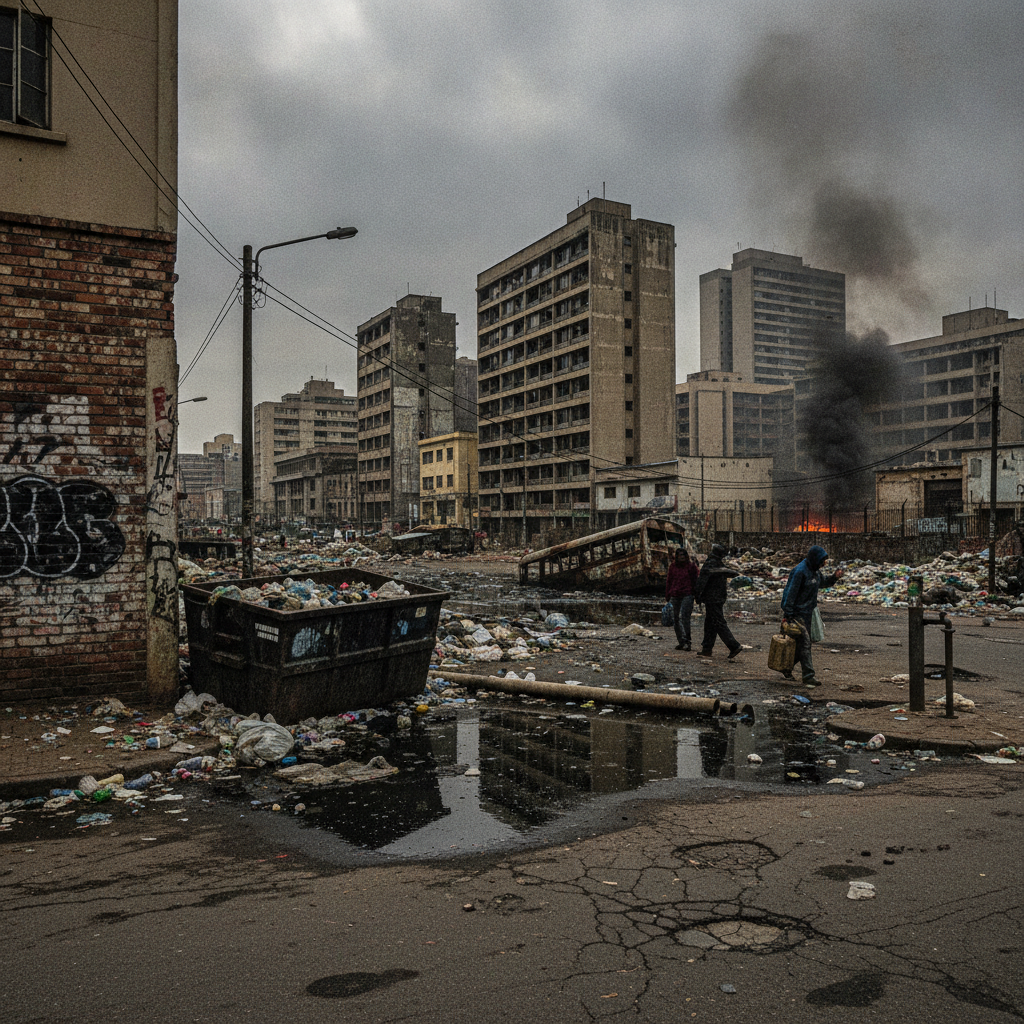
Joburg's Deepening Service Crisis Jeopardises Gauteng's Economic Momentum
Analysts warn that Johannesburg's escalating service delivery failures are posing a severe threat to Gauteng's economic stability, investment, and business…